
Okay, so check this out—Phantom landed in my browser and changed how I interact with Solana. Really. At first it felt like just another wallet. Then I started using it for NFTs, tiny DeFi plays, and connecting to apps, and my impression shifted. Something felt off about some older wallets: clunky UX, slow confirmations, confusing permissions. Phantom cleaned a lot of that up. Wow!
I’m biased toward clean design. My instinct said: if a wallet makes the flow easy, I’ll use it more often. On the other hand, I worry fast adoption breeds complacency—people click “connect” without thinking. So, this piece is partly a walkthrough, partly a cautionary note, and partly a few practical tips from someone who’s fiddled with wallet extensions enough to know where things break (and how to avoid that pain).
What Phantom Does Well (and what to watch for)
Short answer: it smooths the basics. Seriously. Phantom gives you a tidy seed phrase flow, a clear account switcher, and noticeably faster transaction confirmations on Solana than many other extensions. Medium-length explanation: it integrates NFTs directly into the UI, offers token swapping, and supports custom RPCs if you need them. Longer thought—because nuance matters—if you’re an NFT collector, the thumbnail previews and collection views reduce friction, though you still need to verify contracts and be mindful of fake mints.
Here’s what bugs me about wallets in general: too many permissions prompts without clear context. Phantom does better, but don’t get lulled into autopilot. Pause. Read the prompt. Ask: which account, and why is this dApp requesting access? (oh, and by the way… never expose your seed phrase to a website—ever.)
How to get the Phantom browser extension (safely)
Okay, practical steps. First, only install extensions from trusted sources. You can find an official link to the Phantom extension here: phantom wallet download extension. My approach is simple: verify the domain, check reviews, and confirm the developer name in the extension store before clicking install.
My instinct said to warn you—there are impostor extensions out there. Something felt off when I saw a very similar name in a store once. I almost clicked it. Fortunately, I paused. Initially I thought any extension with “Phantom” was fine, but then realized the subtle dev name mismatch. Actually, wait—let me rephrase that: always double-check. On one hand it’s easy to trust big names; though actually there are malicious actors who clone branding. So verify.
After installing, create (or restore) a wallet. Phantom walks you through generating a seed phrase and creating a password. Store the seed phrase offline. I use a small ledger for larger holdings, though for everyday NFTs and small trades Phantom is handy. If you’re experimenting, consider a throwaway account for high-risk sites.
Connecting to dApps and NFTs
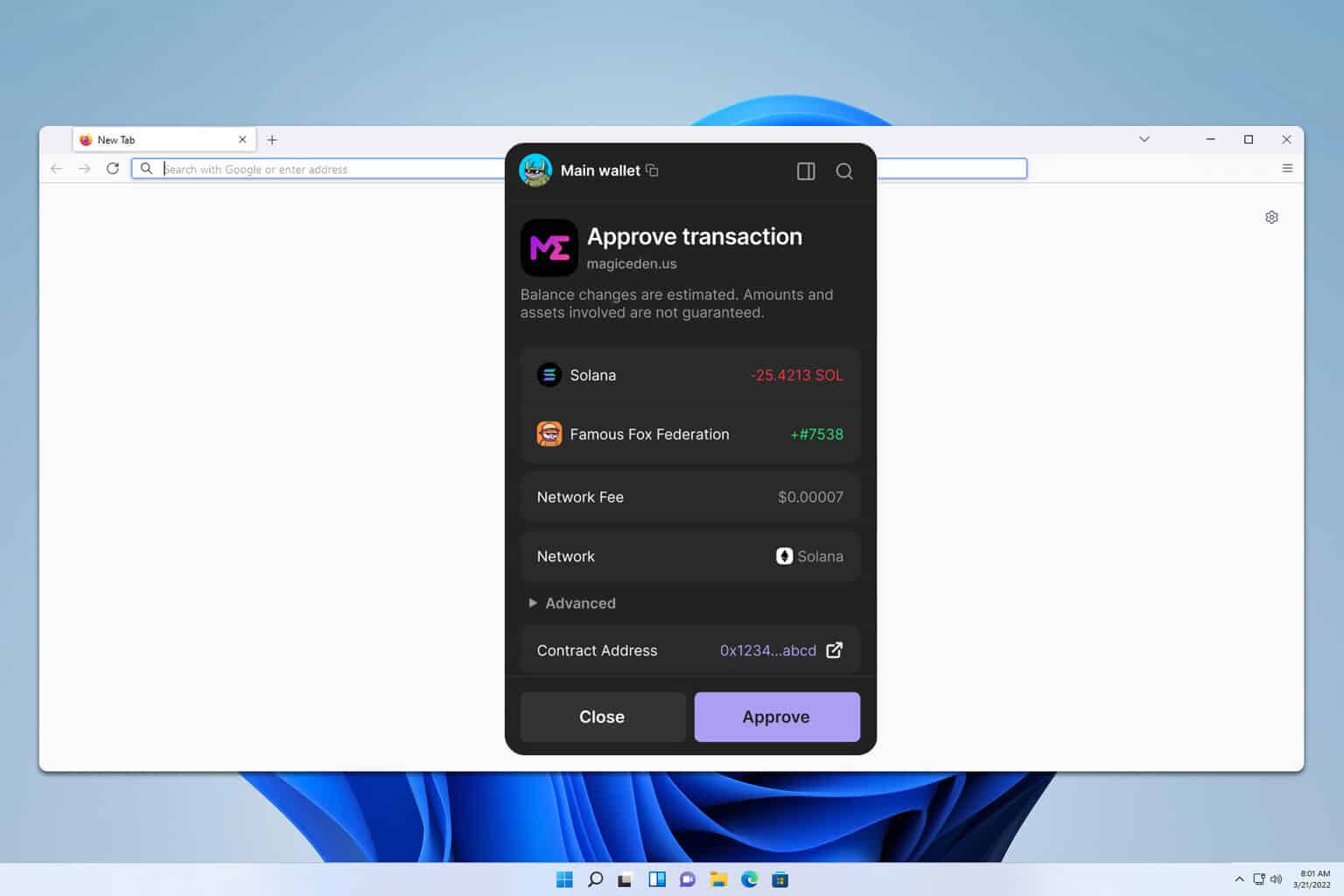
Phantom’s connect modal is straightforward. You authorize a dApp, pick an account, and confirm actions. Still, this step is where mistakes happen fast. Short reminder: look at the permissions list. Medium thought: many dApps only need signature permissions, not spending approval on tokens. Long consideration—if a site requests programmatic authority to move assets (a spending approval), that should trigger a manual, careful review because approvals can be misused by malicious contracts.
Pro tip: revoke stale approvals periodically. Phantom integrates with some tools, but for full control you can use on-chain explorers to inspect token approvals if you’re worried about lingering permissions.
Customization and power user features
Phantom supports custom RPC endpoints, which is great if you’re using devnets or private nodes. You can add tokens manually by entering the mint address. That’s useful when tokens aren’t automatically detected or for obscure NFTs. If you like a minimalist UI, turn off features you don’t use. I’m not 100% sure every toggle is necessary for most users, but cleaning up the interface reduces accidental clicks.
There’s also integration with hardware wallets. I used that combo once for a mid-sized sale and it felt solid—confirmation on device, then the transaction goes through. On the other hand, hardware adds steps. Your comfort level will dictate trade-offs between convenience and security.
FAQ
Is Phantom safe to use?
Short: yes, relatively. Medium: Phantom is widely used and actively developed, but no wallet is infallible. Always verify extension sources and keep your seed phrase offline. Long view: treat Phantom like a secure tool that still requires user vigilance—phishing is usually the weak link, not the wallet itself.
Can I use Phantom on mobile?
Yes. Phantom offers mobile apps that sync differently from the extension. If you plan to move between devices, check how account recovery and backups are handled. I prefer using the extension for desktop dApp interactions and mobile for quick checks or on-the-go swaps.
What about fees and speed?
Solana fees are generally low, and Phantom shows estimated fees during confirmation. Transactions are fast, but network congestion can cause hiccups. If something looks stuck, wait a bit—re-sending hastily can create nonce-related issues.
I’ll be honest: some parts of the crypto UX still bug me. The whole “connect and sign” routine is powerful but also a point of leverage for attackers. My recommendation is practical: use Phantom for its clean UX and Solana support, but pair it with cautious habits—verify links, use hardware for larger sums, and keep backups safe. I’m biased toward tools that reduce friction without sacrificing basic security; Phantom mostly fits that bill, though you should decide based on your risk tolerance.
Final thought—this space moves fast. If you’re trying Phantom for the first time, start small. Test with a tiny amount. See how approvals, swaps, and NFT interactions feel. Then scale up. There’s a comfort in learning by doing, but do it intentionally, not by accident.
